Here's a thing that sounds made up but isn't: most transmission lines are run far below what they can actually carry, almost all the time, on purpose. Not because the operators are timid — because the rating they're forced to use assumes the worst day of the year is happening right now.
That's the whole story of dynamic line rating, and it's one of the cheapest ways to get more out of a grid we already built. No new towers. No new right-of-way. Just measuring the line instead of guessing at it.
Why a static rating is a permanent tax
A conductor's limit isn't really about amps — it's about heat. Push too much current and the line gets hot, the metal expands, and the cable sags toward the trees below. Sag is the real enemy. So every line carries a thermal rating: the current at which it sags to its safe limit.
The catch is that sag depends on the weather, not just the current. A cold, windy day cools the conductor and it can carry far more. A hot, still day, it carries less. A static rating picks the worst plausible weather and bakes it in year-round. Safe — and wasteful every day the weather is better than the worst case, which is almost every day.
| Condition | What a static rating assumes | What's actually true |
|---|---|---|
| Cold, windy night | Worst-case hot/still | Line could carry far more |
| Mild, breezy day | Worst-case hot/still | Real headroom, unused |
| Hot, dead-still afternoon | Worst-case (correct!) | Rating is finally honest |
So the static rating is right a few hours a year and conservative the rest. Dynamic line rating makes it honest hour by hour.
What a bro contributes
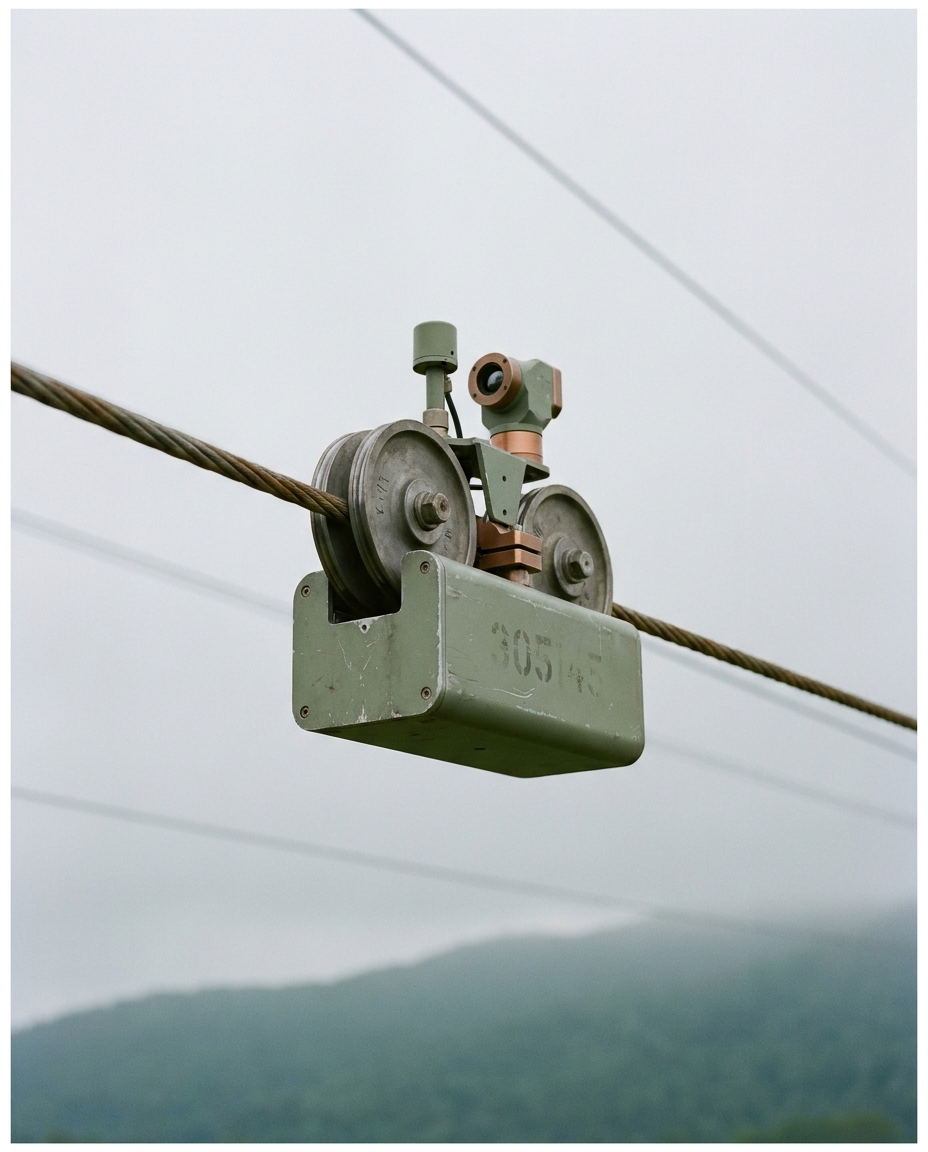
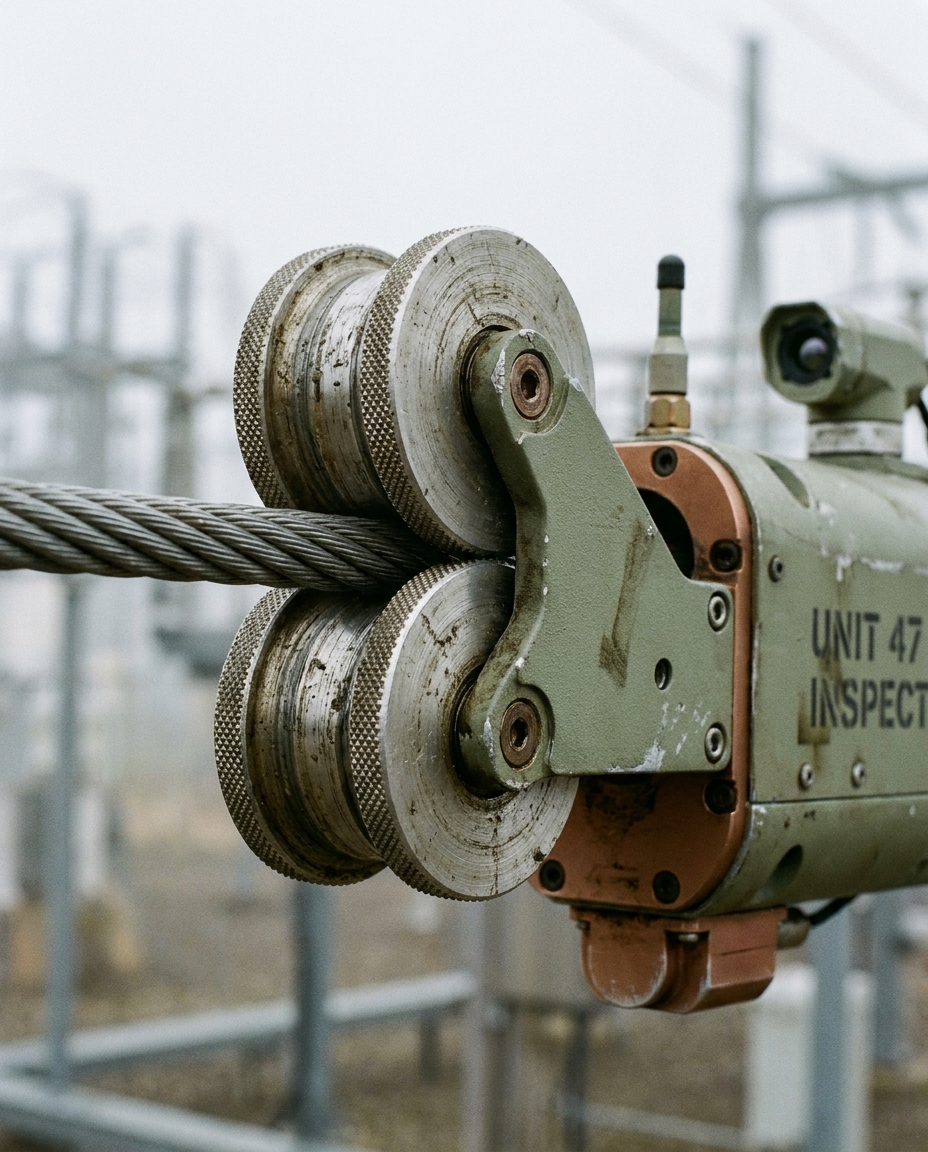
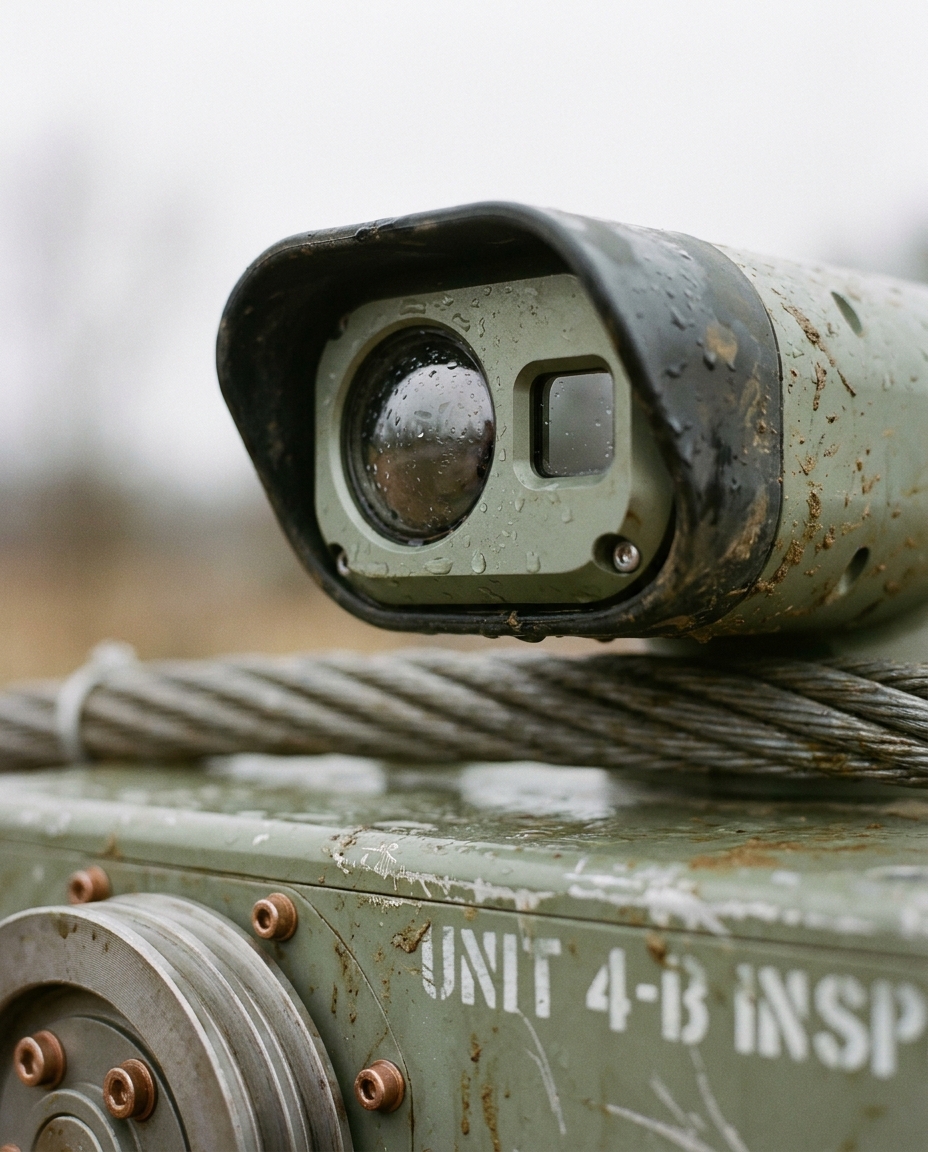
DLR needs real measurements from the conductor itself — not a guess from the nearest weather station miles away. A bro on the line is already up there, so it reads what actually sets the rating:
- Conductor temperature — the thing the whole rating is really about.
- Effective wind and ambient — the cooling that buys you headroom.
- Sag and clearance — measured directly, not modeled from a table.
- Mechanical health — because you only get to lean on a line that isn't already failing.
That stream feeds the utility's SCADA and operations models, so the control room can lift the rating when the weather earns it and pull it back the moment it doesn't. Real-time, on the actual conductor, from the same robot already inspecting it.
Why it matters now
Demand is climbing, renewables come and go with the weather, and building new lines takes a decade and a lawsuit. DLR squeezes more capacity out of the wires we have — often 10 to 30 percent more — by trading a fictional worst-case assumption for an honest measurement. That's not a small upgrade. That's a power plant's worth of headroom hiding in the lines you already own.
The honest part
Dynamic line rating only works if you trust the measurement, and you only trust the measurement if something reliable is up there taking it through cold, heat, fog, and ice. That's the job. A bro rides the Bro Drive so it can stay on the wire long enough to be the sensor the grid actually believes.
It's not a scooter. It's a bro on the wire, telling your control room the truth about how much your line can really carry. Request a demo.